
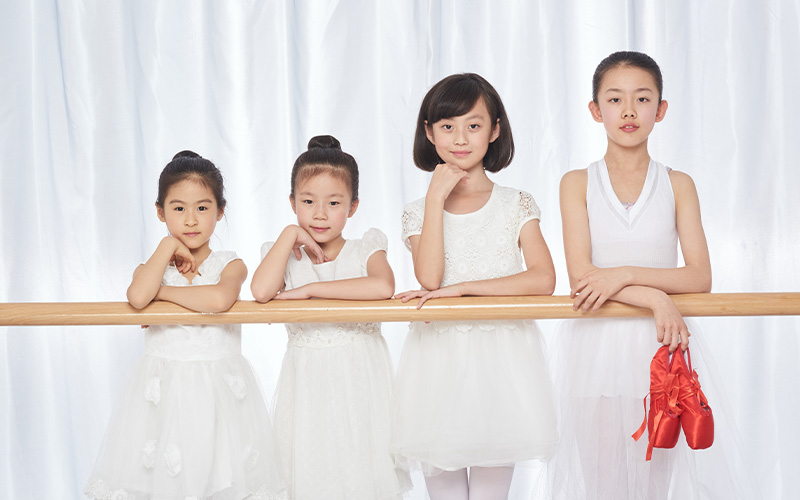
Singaporean children today grow up in a highly structured, high-achieving environment. With long school hours, packed tuition schedules, and unrelenting academic pressure, many children struggle to manage stress, disappointment, and performance anxiety. Emotional outbursts, low self-esteem, and fear of failure have quietly become common.
Amid this demanding pace, ballet offers something radically different: a space where mistakes are part of learning, where discipline coexists with expression, and where grace is built through grit. While ballet lessons are known for their poise and precision, what’s often overlooked is their power to shape character. Beneath each elegant movement lies a child learning patience, persistence, and emotional control.
In short, ballet doesn’t just train the body—it trains the heart. It nurtures emotional resilience by helping children stay centred, try again after falling, and thrive even when progress feels slow. For many Singaporean children, that strength is exactly what they need most.
In the upcoming sections of this guide, we’ll explore how ballet helps children develop emotional resilience in a uniquely Singaporean context. We’ll cover:
- How ballet normalises mistakes and transforms failure into fuel for growth
- Why structure and routine in ballet class support emotional regulation and mental clarity
- How teachers play a crucial role in building confidence and resilience through nurturing discipline
- What parents can do to support their child’s emotional journey without overstepping
- Why emotional resilience matters more than medals, and how ballet quietly builds it from the inside out
Let’s get started!
Learning to Fall and Try Again
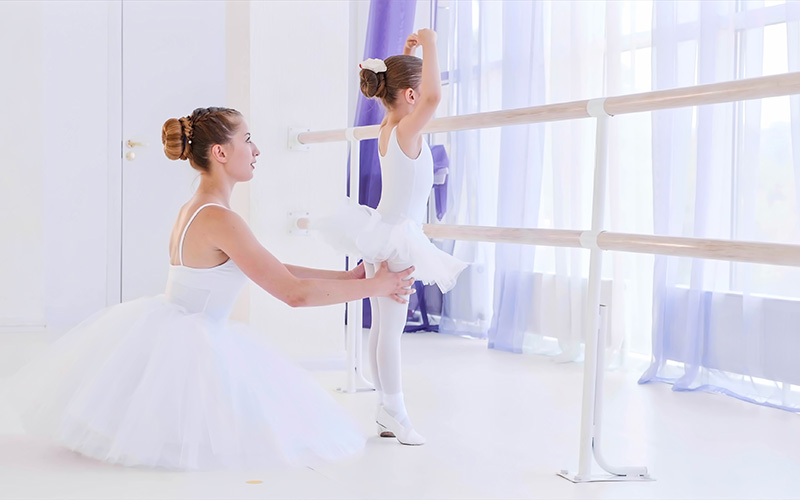
In ballet, falling isn’t just allowed—it’s expected. Every wobble, slip, or missed step is part of the learning curve. And that’s exactly where the magic happens. Ballet gives children something many activities don’t: permission to get things wrong, and the quiet courage to try again.
Here’s how!
1. Normalising Mistakes Through Repetition
Ballet is built on repetition. The same steps are done again and again, not to be perfect, but to refine. Children quickly learn that messing up isn’t something to be ashamed of; it’s simply part of the process. That moment they fall out of a turn or forget a step? It becomes a gentle reminder to reset and give it another go.
In doing so, they learn an important life skill, how to bounce back. That’s emotional resilience in action: not giving up when things go wrong, but using each mistake as a stepping stone forward.
2. Progress Is Often Invisible at First
There are no gold stars or grades in a regular ballet class. Progress often comes in the form of tiny wins, a slightly straighter posture, better balance, or deeper focus. These gains aren’t always visible, but they are felt. Children start to appreciate that real growth is quiet, sometimes slow, but deeply satisfying.
This kind of mindset encourages patience and grit, core components of emotional resilience. It’s not about instant success, but about trusting the journey.
3. Developing a Resilient Mindset Through Corrections
Receiving feedback in ballet is as routine as tying your shoes. It can feel a bit uncomfortable at first, especially when it’s shared in front of others. But over time, children realise that corrections aren’t personal, they’re a sign that someone believes they can do better.
This helps build a thick skin without hardening the heart. Emotional resilience grows each time a child hears “Try it this way” and responds with effort instead of defeat.
4. Trying Again Without External Validation
There’s no crowd in the studio clapping after each attempt. Ballet teaches children to work for something deeper than applause, their own sense of progress. When they keep going without needing praise, they’re learning one of the most important emotional lessons of all: persistence doesn’t always come with a cheer, but it’s worth it anyway.
And that’s emotional resilience too, quiet, steady, and built step by step.
Through every wrong pirouette and pliés, ballet teaches children that falling isn’t failure, it’s part of growing stronger. These small but impactful lessons build emotional resilience in ways that stick for life. With each attempt, they’re learning how to face challenges with courage, patience, and heart.
Emotional Regulation Through Movement and Structure
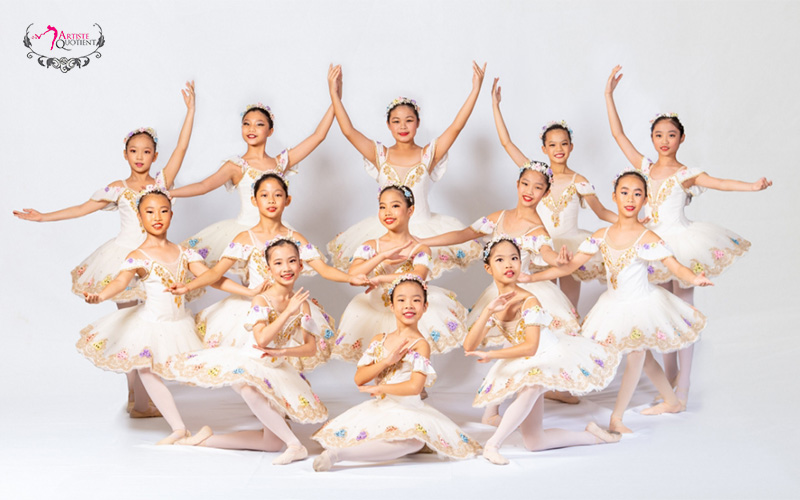
While learning to fall and try again builds emotional strength, ballet also offers something just as powerful—emotional regulation. In a typical class, children do more than just learn to dance; they learn how to manage what they’re feeling through movement, breath, and structure. It becomes a space where their emotions have room to move, settle, and be understood without needing words.
1. Routine Provides Emotional Safety
There’s comfort in knowing what comes next. Ballet classes follow a familiar rhythm, starting at the barre, moving to centre work, and finishing with cool-down exercises. This dependable structure creates a sense of emotional safety. When children feel secure, they’re more willing to take risks, make mistakes, and keep trying, all of which feed directly into the development of emotional resilience.
In a world where schedules change and expectations pile up, this kind of predictability gives children something steady to hold on to.
2. Movement Channels Big Feelings
Children experience big emotions, but they don’t always have the tools to express them. Ballet becomes a healthy outlet. Whether they’re frustrated, nervous, excited, or even shy, the act of moving their bodies, stretching, leaping, balancing, helps release feelings that might otherwise stay bottled up.
This movement-based expression not only calms the nervous system but also teaches kids that emotions are natural and manageable. It’s one of the ways emotional resilience is nurtured from the inside out.
3. Focused Breath and Posture Build Self-Control
In ballet, breathing is intentional. Holding a pose requires concentration, muscle control, and a calm mind. By learning to breathe with movement and hold their posture with focus, children develop greater awareness of their own bodies and emotions.
This self-control doesn’t end when class does—it transfers to school, social situations, and beyond, strengthening emotional resilience over time.
4. Calm Spaces for Overstimulated Minds
Between digital distractions and academic pressure, many children live in a constant state of sensory overload. Ballet offers them a rare gift: quiet. No screens, no noise, just music, movement, and presence.
In the quiet rhythm of a ballet class, children find more than coordination—they find calm, focus, and emotional balance. The structure gives them safety, the movement gives them release, and the breath brings them back to centre. Over time, these practices become second nature, quietly strengthening their emotional resilience and equipping them to handle life’s ups and downs with grace and control, both on and off the dance floor.
The Role of the Teacher: Firm but Nurturing
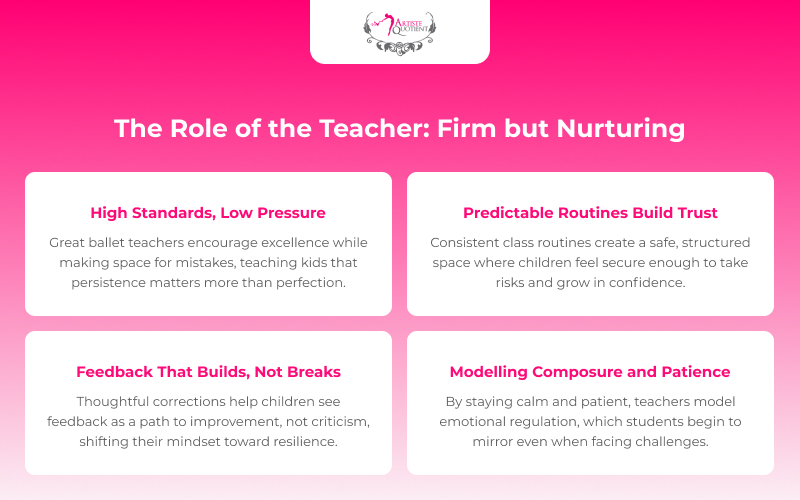
Now, let’s move on to one of the most influential figures in a child’s ballet journey—the ballet school teacher. Apart from just teaching choreography and form, ballet teachers often become guiding lights, helping young dancers navigate not only technique but also frustration, effort, and self-belief. Here’s how they help shape both the dancer and the individual.
1. High Standards, Low Pressure
Great ballet teachers expect a lot, but they know that growth takes time. They encourage excellence without creating fear. Mistakes aren’t punished, they’re seen as part of the learning process. Instead of pushing perfection, they push persistence.
When children are held to high standards in a supportive way, they rise to the occasion. This nurtures emotional resilience, as kids learn it’s okay to fall short, as long as they keep going.
2. Predictable Routines Build Trust
There’s something comforting about knowing what to expect. A teacher who maintains consistent class routines gives children a strong sense of structure. That consistency builds trust, which gives students the emotional safety they need to take risks and try new things.
It’s within this structured space that confidence blossoms and resilience takes root, quietly, steadily.
3. Feedback That Builds, Not Breaks
Correction is part of every ballet class, but it doesn’t have to feel discouraging. When a teacher offers feedback that’s thoughtful and constructive, children learn that critique is a tool for improvement and not a personal attack.
Over time, this shifts their mindset. They begin to welcome feedback rather than fear it, and in doing so, develop deeper emotional resilience that extends far beyond the studio.
4. Modelling Composure and Patience
Children absorb more from what we do than what we say. When teachers remain calm, patient, and encouraging, even when students are off-track, they model emotional regulation in real time. And children, in turn, begin to mirror that same calm focus, even when things feel hard.
Essentially, a nurturing ballet teacher helps children grow through challenges. With steady support and structure, they quietly build emotional resilience that lasts far beyond the studio.
The Parents’ Influence: Letting the Struggles Shape Them
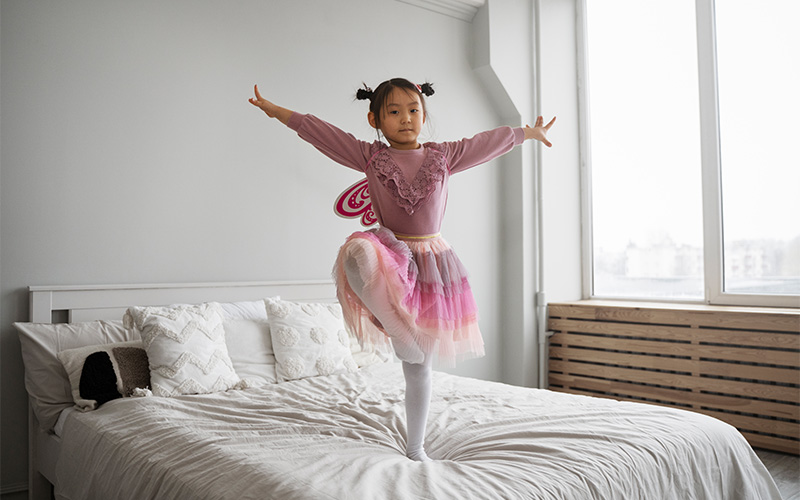
Just as teachers guide from the front of the room, parents provide the emotional foundation at home. While it’s tempting to protect your child from every stumble or disappointment, ballet offers a golden opportunity for parents to let growth happen through struggle. Sometimes, the most powerful thing you can do is step back and let them find their own strength.
1. Resist the Urge to Rescue Too Quickly
Watching your child come home teary-eyed from a tough class or upset over a missed role is never easy. The instinct to fix, soothe, or step in is natural, but those moments of discomfort are often where real growth happens. Allowing children to sit with their feelings, process them, and return the next day teaches them that setbacks aren’t the end of the story. They’re just a part of the process.
These small emotional hurdles, when supported (not solved), are what help build lasting emotional resilience.
2. Don’t Rush the Timeline
Every child progresses differently. Some may master techniques quickly; others may need more time. Avoid comparing their journey to others or pushing for faster advancement. Ballet isn’t a race—it’s a slow, beautiful unfolding. When parents honour that pace, children feel less pressure and more freedom to grow in their own time.
This patience helps prevent burnout and supports long-term motivation, key ingredients in developing emotional resilience.
3. Celebrate Emotional Wins, Not Just Achievements
While it’s natural to celebrate performances and exam results, don’t forget the quieter victories. Applaud your child for staying calm after a correction, for going back to class after a rough day, or for encouraging a friend during rehearsal. These emotional wins are often more meaningful than medals; they reveal strength, empathy, and personal growth.
4. Let Them Take Ownership of Their Journey
When children feel ballet is something they choose, not something being done for or to them, they become more engaged and motivated. Let them take the lead. Support from the sidelines, cheer them on, and let them navigate the highs and lows. That sense of ownership turns ballet into a personal journey of self-discovery.
By allowing your child to face challenges with support, not solutions, you give them the space to grow stronger on their own terms. Through patience, encouragement, and trust, parents play a big role in nurturing emotional resilience that will serve their child far beyond the dance studio.
Frequently Asked Questions
1. My child is very sensitive and gets discouraged easily. Can ballet really help with resilience?
Yes—and perhaps more so for sensitive children. Ballet offers a structured, repetitive environment where they can build confidence gradually. As they learn to manage small frustrations and keep going despite challenges, they begin to associate effort with growth, not fear of failure.
2. How do I know if my child’s ballet teacher is helping or hurting their emotional development?
Pay attention to how your child feels after class. A good teacher challenges students but doesn’t shame them. Look for signs of fear, anxiety, or dread—these could point to overly critical teaching. Ideally, your child should feel motivated, even if class is difficult.
3. Should I intervene when my child is upset about not getting a role or passing an exam?
Support them emotionally, but resist the urge to “fix” it. Sit with them, validate their feelings, and encourage reflection. Let them process the disappointment and decide how to move forward. These moments, while tough, are where true resilience begins to form.
Conclusion
Ballet is often seen as elegant and refined, but beneath the beauty lies something even more powerful. For children, it becomes a training ground not just for dance, but for life. Through every fall, correction, routine, and quiet triumph, they build emotional resilience: the strength to keep going, to stay centred under pressure, and to grow from within.
With the right support from teachers and parents, ballet becomes more than an art—it becomes a lifelong source of confidence, patience, and perseverance.
At AQ Dance, we believe in nurturing not just dancers, but resilient, confident young individuals. Our experienced ballet studio instructors create a supportive, structured environment where your child can grow through movement, discipline, and self-expression.
Want to start your child’s ballet journey? Contact us today to learn more about our Singapore ballet academy classes and how we help children thrive—on stage and in life.
 AQ Dance