
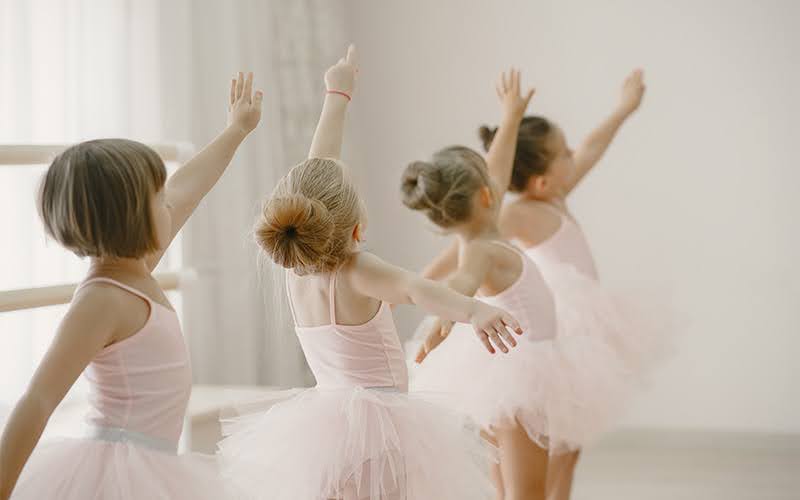
The moment your child slips on their first pair of ballet flats is often magical. You see their face light up, their movements grow purposeful, and their confidence begins to bloom. For many families, ballet starts as a joyful outlet, an opportunity to build grace, discipline, and creativity.
But in a high-achieving environment like Singapore, where results often speak louder than process, that joy can slowly shift. What begins as gentle encouragement can quietly become quiet pressure. More classes, more competitions, more comparisons. Before you know it, your child may be dancing less for themselves, and more to meet your expectations.
This transition isn’t always obvious. Often, it comes from a place of love and the desire to see your child succeed. But when passion turns into pressure, the experience of dance can lose its joy. That’s where the practice of healthy parenting in ballet becomes essential, balancing involvement with emotional awareness, and ambition with trust.
So, for parents who want to walk alongside their child’s ballet journey, without unintentionally steering it, this guide will help you support them with care, clarity, and confidence.
Here’s what we’ll cover:
- How to recognise whether you’re supporting or steering your child’s ballet journey
- The subtle ways encouragement can turn into expectation, and how to avoid it
- What true support looks like—from your child’s perspective
- Why it’s important to trust the teacher and the long-term process of ballet training
- How to create a healthy parenting approach rooted in emotional safety and mutual respect
So, let’s get started!
As a Parent, Are You Supporting or Steering?
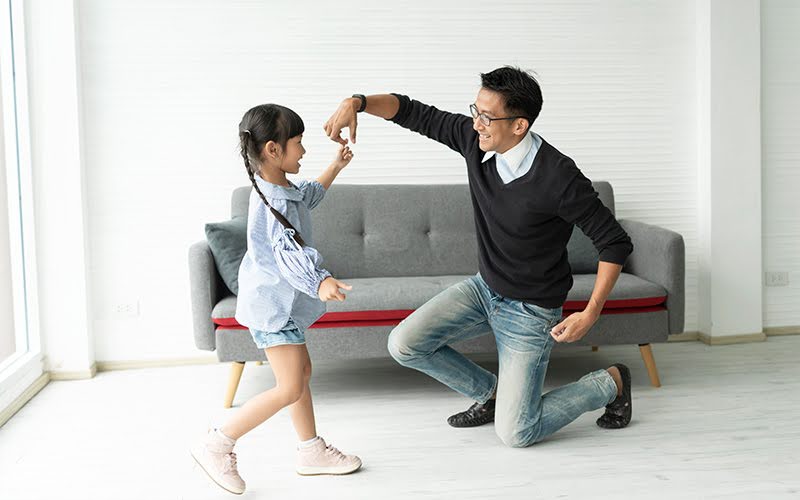
Before we explore how to build a strong and healthy dance relationship with your child, let’s first take a moment to reflect on your role in their ballet journey.
As a parent, your involvement comes from a place of deep care—you want your child to succeed, to feel confident, and to reach their full potential. But ballet, with its structure, discipline, and long learning curve, can invite a level of involvement that becomes overly hands-on. It’s easy to shift from cheering in the audience to quietly taking the reins.
Healthy parenting means knowing when to offer support and when to take a step back. It’s about recognising the difference between being a steady presence and unintentionally micromanaging.
Here are a few signs to help you identify if your support has started to slip into steering:
- You Offer Corrections After Class
Maybe you’ve caught yourself saying, “Remember to lift your chin” or “You need to point your toes more.” While well-intentioned, these comments can undermine your child’s trust in their teacher. In positive parenting, the focus is on encouragement, not instruction. - You Track Progress More Closely Than They Do
When you’re the one monitoring exam results, class placements, or casting decisions more intensely than your child, it might signal an imbalance. Children thrive when their progress is owned by them, not overseen by someone else. - You Feel Disappointed When They Don’t Perform Well
Even subtle cues—a sigh, a shift in tone—can impact how your child interprets their worth. Healthy parenting calls for emotional consistency, especially when outcomes fall short of expectations. - You Initiate Conversations About Ballet More Than They Do
If ballet becomes the default topic at dinner or in the car, ask yourself: Is your child still leading the conversation, or are they following your agenda?
At its core, healthy parenting in ballet is about staying curious, supportive, and present, without becoming the driving force. When children feel ownership of their dance journey, they’re more likely to grow in both confidence and joy.
When Encouragement Becomes Expectation
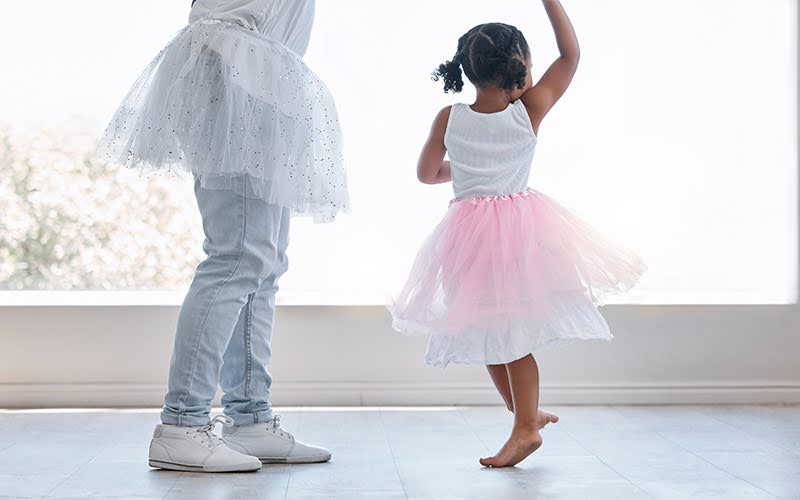
Once we start recognising when we might be steering instead of supporting, another shift worth examining is our language. Encouragement, while well-intentioned, can slowly take on the weight of expectation, especially in an environment like ballet, where excellence is often visible and rewarded.
In the early stages, praise may come freely—“You looked so happy on stage!” or “I love watching you dance.” But as children advance and the stakes rise with exams, casting, and competitions, the tone can shift. Feedback becomes tied to results, enthusiasm only shows up for big wins, and conversations around dance start sounding more like performance reviews.
Let’s look at some of the common ways expectation can sneak into our well-meaning encouragement:
- Praise Becomes Outcome-Based
It’s easy to applaud high scores or perfect pirouettes, but children start to associate love and pride with performance. Healthy parenting shifts the focus to the process—how hard they tried, how brave they were, or how they kept going even when it was tough. - Comparison Creeps In
Remarks like “You should try to dance more like her” can foster pressure and insecurity, even if they’re not meant that way. Healthy parenting embraces your child’s unique pace and personality. - You Celebrate Big Wins Loudly, But Stay Silent on Small Ones
If the only time you light up is after a medal or major role, your child may feel unseen during their quiet progress. True support shows up consistently, not just when there’s something to post about. - You Push Commitments Without Checking In Emotionally
More rehearsals and bigger goals might sound like growth, but only if your child is emotionally on board. In healthy parenting, we remember to ask not just “Can they do it?” but also “Do they want to?”
Encouragement should feel like a cushion, not a measuring stick. With healthy parenting, the goal is to keep your child’s love for dance at the centre, not their ability to meet your expectations.
What Support Really Looks Like (Through Their Eyes)
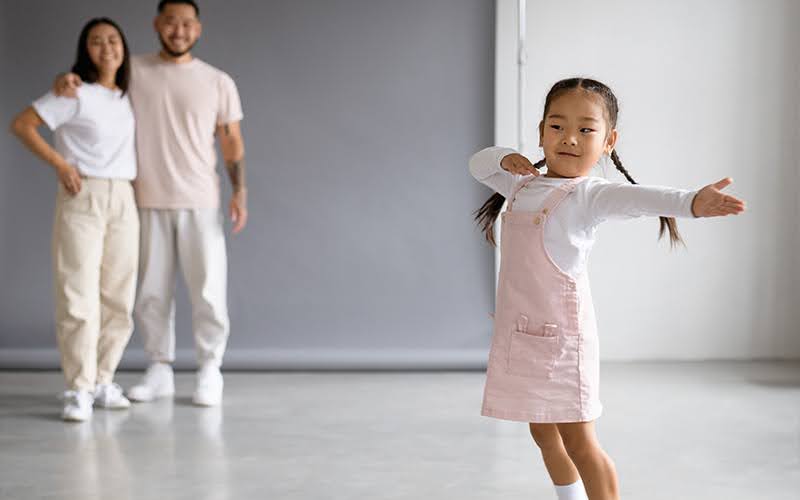
You may be showing support in the ways that make sense to you, but have you ever stopped to consider how it feels from your child’s perspective?
To them, support isn’t about how often you praise or how much you push. It’s about feeling emotionally safe, knowing they’re accepted no matter how they perform. That’s the heart of healthy parenting: creating an environment where your child can be seen, heard, and valued beyond their achievements.
Here’s how support often looks and feels through your child’s eyes:
- Ask Before You Advise
After your children’s ballet class, resist the urge to jump into critique. Instead, ask, “How did you feel today?” It gives your child space to reflect and shows that their thoughts matter more than your opinion of their technique. - Celebrate Who They Are, Not Just What They Do
Point out things like their determination, courage, or kindness. Comments like, “You really pushed through when it got hard” help your child build identity and confidence that go beyond dance. - Be Present, Even When It’s Not Glamorous
Your presence matters just as much in rehearsals and routine classes as it does at performances. Quiet support—like waiting outside the studio, helping with a costume, or simply listening—builds trust and connection over time. - Let Them Feel What They Feel
Disappointment and frustration are part of the process. You don’t need to reframe every setback into a lesson. Sometimes, the most powerful form of healthy parenting is allowing your child to sit with their emotions, knowing you’ll be there regardless. - Support Without Overstepping
Your child doesn’t need a second teacher at home. They need someone who believes in them, listens without fixing, and reminds them that ballet is theirs to enjoy, not yours to manage.
In moments big and small, healthy parenting means leading with empathy. When children feel safe to be themselves, especially on the hard days, they’re far more likely to stay connected to the joy of dance.
Trust the Teacher, Trust the Process
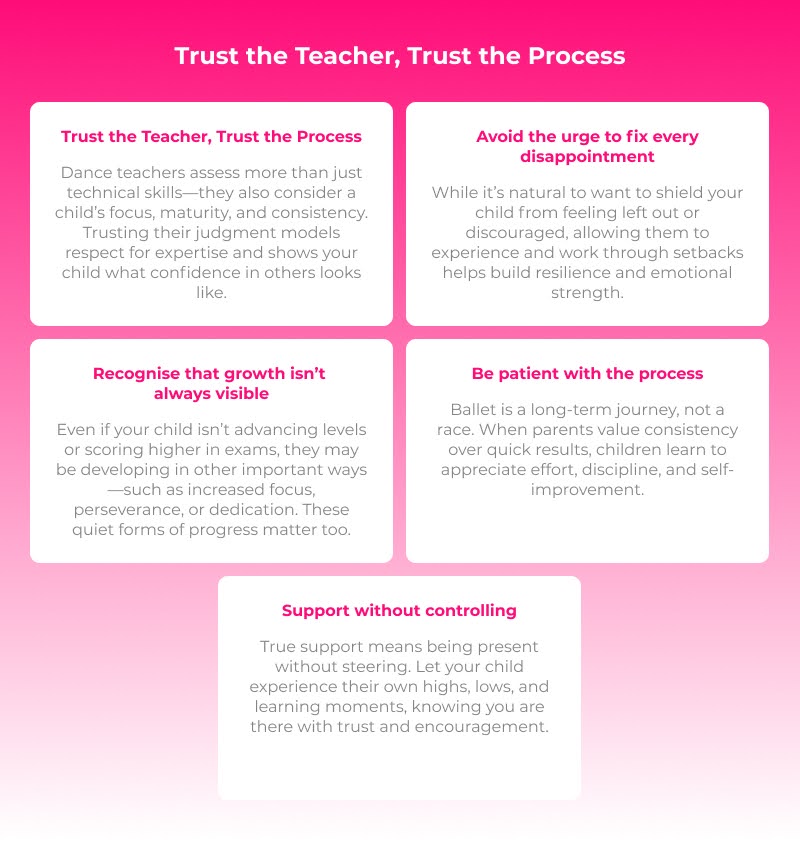
Following on from understanding what real support looks like, healthy parenting also involves knowing when to let go, and when to trust that your child’s teacher sees the bigger picture. Ballet, unlike many academic subjects, is highly individual and subjective. Progress doesn’t always happen in clear, upward steps. Sometimes, the most meaningful growth happens beneath the surface.
Let’s explore why trust is such a powerful part of healthy parenting in ballet:
- Let Instructors Handle Technique and Progression
It can be tempting to question placements or suggest your child is ready for the next level. But children dance class teachers are trained to assess not just technical ability, but readiness in terms of focus, maturity, and consistency. When parents interfere, it can create tension and place undue pressure on both the student and teacher. Respecting those decisions shows your child what confidence in others—and in the process—looks like. - Resist the Urge to ‘Fix’ Disappointments
It’s hard to watch your child feel left out or discouraged. But jumping in to smooth over every letdown sends the message that struggles are problems to avoid. Healthy parenting embraces the idea that disappointment is part of growth. Your calm, supportive presence allows them to feel, process, and move forward on their own terms. - Understand That Growth Isn’t Always Visible
Maybe your child isn’t scoring higher in exams, but they’ve become more focused, resilient, or committed. These invisible wins are just as meaningful. In healthy parenting, emotional and character development are celebrated alongside technical progress. - Give Time for the Process to Work
Ballet isn’t a sprint—it’s a marathon. When parents prioritise consistency over speed, children learn to be patient with themselves. They begin to value effort and discipline, rather than chasing constant promotion.
In the long run, the most impactful expression of healthy parenting is letting your child experience their own journey, with all its highs, lows, and lessons, knowing that you’re there, not to steer or shield, but to support with trust.
Frequently Asked Questions
1. How involved should I be in my child’s ballet training?
Be involved emotionally, not technically. Attend their performances, ask open-ended questions about how they feel, and offer encouragement without stepping into the role of a second teacher. Being a good parent means being a steady presence without micromanaging their progress or technique.
2. What should I do if I think my child’s teacher is overlooking their potential?
It’s okay to have concerns, but approach the situation with trust and respect. Teachers evaluate more than just talent; they consider maturity, focus, and readiness for responsibility. If needed, request a private conversation—not to push for advancement, but to understand your child’s development from the teacher’s perspective. This approach reflects mindful parenting by modelling constructive communication and patience.
3. My child says they’re tired or losing interest in ballet—should I encourage them to push through or let them take a break?
Start by listening. Children’s interests naturally ebb and flow, especially in something as demanding as ballet. Ask what’s behind their feelings—fatigue, pressure, boredom? Sometimes, a short break, switching classes, or simply feeling heard can reignite their motivation. Healthy parenting means honouring their voice and helping them make thoughtful decisions, not reacting out of fear or disappointment.
4. How can I help my child cope with disappointment, like not getting a role or not moving up a level?
Let them feel it. Avoid rushing in with solutions or silver linings. Instead, validate their emotions with simple statements like, “I know that was really disappointing.” Then remind them gently that growth takes time and doesn’t always show up as a win. With healthy parenting, the goal is to build emotional resilience, not protect them from every bump in the road.
Conclusion
At the heart of every plié, rehearsal, and recital is a child who simply wants to be seen, supported, and loved, not just for how well they perform, but for who they are.
As a parent, your influence shapes far more than their technique—it shapes how they see themselves. When you practise balanced, emotionally healthy parenting, you give your child room to grow not just as a dancer, but as a confident, resilient individual.
Support doesn’t mean taking the lead; it means walking beside them with trust and calm presence. Let their ballet journey be theirs to own, mistakes and all. What they’ll remember most won’t be the medals or roles, but how you made them feel through it all.
If you’re looking for a ballet studio that values not just performance, but progress, joy, and healthy family involvement, AQ Dance is here for you. Our teachers work hand-in-hand with families to nurture not only talent, but confidence and character.
Join us at AQ Dance, where every child is supported with care, and every parent is welcomed as part of the journey. Contact us today to know more!
 AQ Dance