
Key Takeaways
- A Gentle Start Makes All the Difference: The first ballet class focuses on easing children into a new environment with warm welcomes and playful exercises that build trust and confidence.
- Learning Through Fun and Structure: Ballet basics are introduced through imaginative play, while a consistent class routine helps children develop focus, discipline, and social skills.
- Preparation Matters: Proper attire like leotards and ballet shoes , along with a small bag and water bottle, ensures your child feels ready and comfortable during their lesson.
Starting something new can be a mix of excitement and jitters for both you and your little one. If your child is stepping into their first ballet class, you’re probably wondering what the experience will be like. Will they enjoy it? Will they feel confident? At AQ Dance Academy, a renowned Singapore ballet academy, the answer is a resounding yes! Here’s a closer look at what typically happens in a beginner class so you and your child can walk in feeling fully prepared.
1. Warm Welcomes and Gentle Introductions
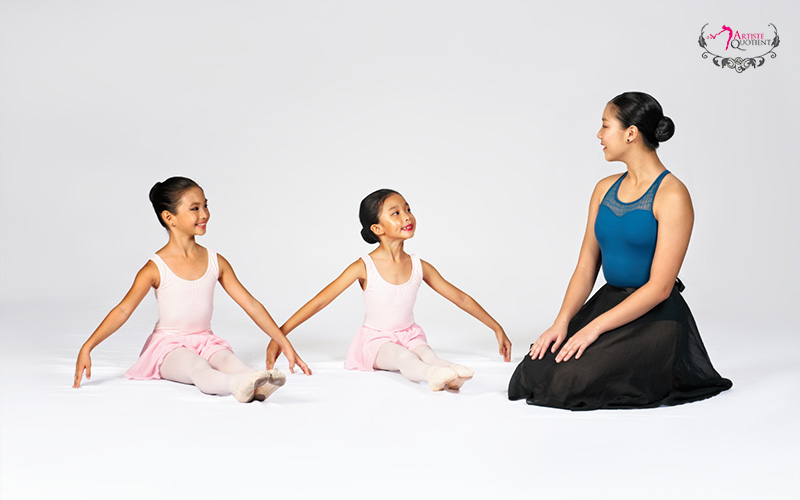
The journey begins the moment your child steps through the studio doors. Most ballet schools understand how important first impressions are, especially for younger kids. In your child’s first ballet class, expect a warm, friendly greeting from the teacher and assistants. The environment is designed to be safe, calm, and welcoming.
Children are gently introduced to the studio space and to each other, helping them ease into the new environment. Teachers usually start with simple warm-ups and stretches, keeping instructions light and encouraging. This gentle introduction builds trust, boosts confidence, and makes the dance floor feel like a fun place to be.
2. Basic Movements and Creative Play
Next comes the exciting part—moving to music! In your child’s first ballet class, they’ll begin learning foundational ballet positions and movements. But don’t expect strict drills just yet. Lessons at this stage are filled with imagination and play.
Think tiptoeing across a “magic forest,” or reaching up like “tall sunflowers.” These creative exercises not only teach body awareness and coordination but also make learning feel like an adventure. This is ballet for 3-year-olds and other young beginners at its best, joyful, imaginative, and full of giggles.
3. Structure and Routine
Even the most playful classes follow a clear structure. Young dancers thrive on routine, and that’s exactly what they’ll get. Your child’s first ballet class may include a welcoming circle time, followed by movement across the floor, and finally, a cool-down period to calm the energy.
This rhythm helps children feel secure and focused. Over time, this structure instils important skills like discipline, listening, and working with others, all through the magic of movement. Regular children’s ballet classes are designed to help children grow emotionally as much as they do physically.
4. What to Wear and Bring
To make the most of your child’s experience, it’s a good idea to come prepared. For their first ballet class, most schools recommend a basic outfit: a leotard, ballet tights, and soft ballet slippers. Hair should be tied back neatly, usually in a bun or ponytail, to keep it out of their face while dancing.
It’s also wise to pack a small bag with essentials like a water bottle and perhaps a light sweater for after class. Some schools provide more specific guidance in their welcome packs, so be sure to check with your chosen provider of ballet lessons.
Your child’s ballet class is more than just a dance lesson—it’s the beginning of a wonderful journey in creativity, confidence, and coordination. Whether they continue dancing for years or just give it a try, those first few classes lay the foundation for a love of movement that can last a lifetime.
If you’re looking for a school that offers nurturing and engaging ballet lessons, explore your options at AQ Dance. Who knows—you might be raising the next little star of the stage! Contact us today to know more!
 AQ Dance